




Alloy: a better choice than pure metal
Release time:
2025-03-14
In the industrial and manufacturing fields, alloys are highly favored for their excellent performance and wide range of applications.
In the industrial and manufacturing fields, alloys are highly favored for their excellent performance and wide range of applications. But what is an alloy? Why is it more advantageous than pure metal? This article will provide you with a detailed introduction to the definition, characteristics, and differences between alloys and pure metals.
1、 What is alloy?
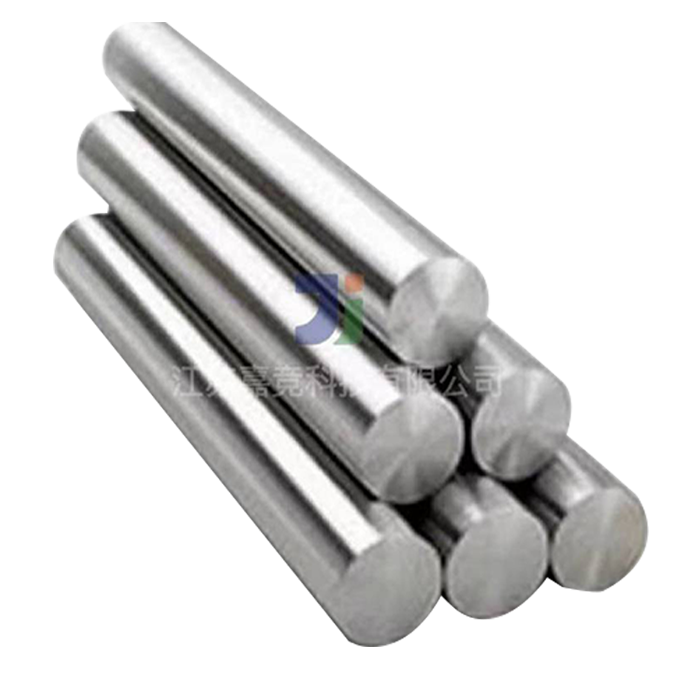
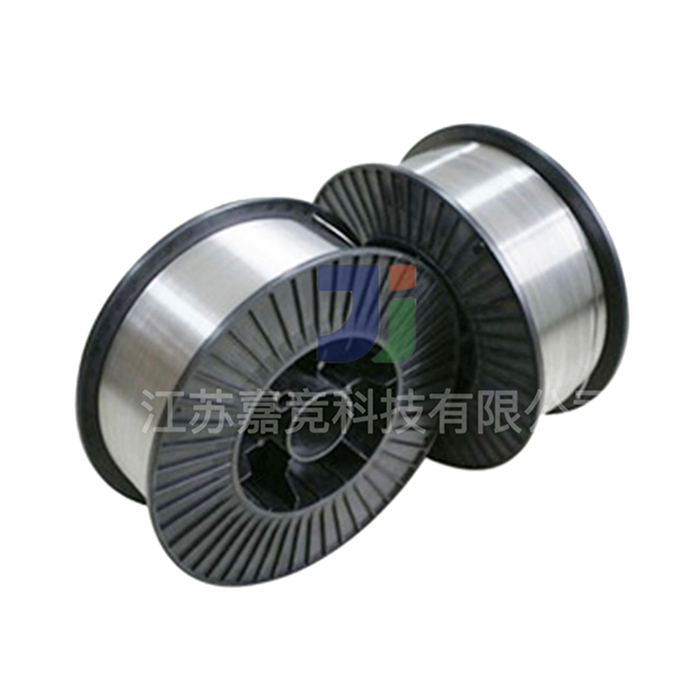
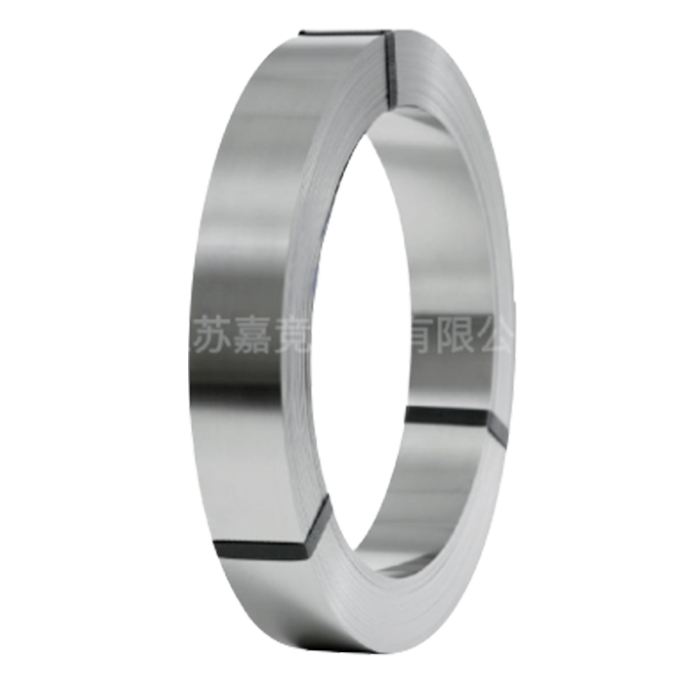
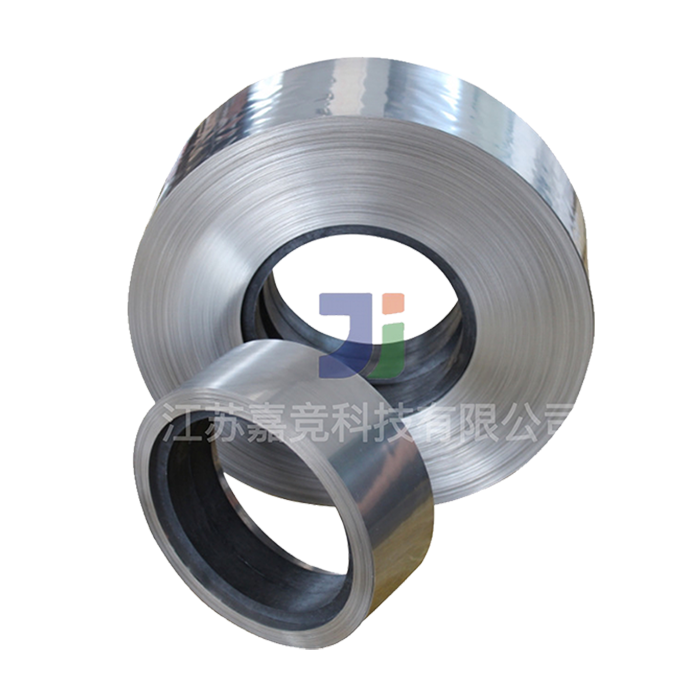
Alloy is a material made by mixing two or more substances, aimed at creating products with higher efficiency and better performance. Usually, alloys are formed by melting metals and combining them with other metals or non metals. During this process, metals are usually purified to remove impurities that may have adverse effects on the product. For example, carbon is a non-metallic component combined with steel, and alloys with specific properties can be manufactured through methods such as induction melting and arc melting.
2、 What is pure metal?
Pure metals are not made by mixing different components, they have natural properties. Most pure metals have undesirable properties, which make them difficult to use in various industrial applications. For example, pure metals such as gold have a uniform atomic structure, a soft texture, and are fragile.
3、 Why choose alloys instead of pure metals?
Alloys have more advantages than pure metals, mainly reflected in the following aspects:
1. Stronger structural strength
By combining the excellent properties of different metals, alloys eliminate the poor properties of pure metals, making them stronger than pure metals. Pure metals are usually softer, and more durable materials can be developed through alloying. For example, stainless steel is more corrosion-resistant and stronger than pure iron, making it suitable for various engineering projects.
2. Higher corrosion resistance
Alloys are more corrosion-resistant than pure metals, thanks to their composite structure composed of multiple metals and non metals. This corrosion resistance makes the alloy perform well in environments such as water, steam, seawater, or chemicals, and is widely used in industrial and commercial fields.
3. More extensive applications
The diversity of alloys provides them with more choices in different projects and casting. Pure metals have limited applications due to their inherent properties, while alloys can meet various specific needs by adjusting their composition.
4、 Advantages of choosing alloys
1. Structural strength
Alloys are stronger than pure metals and can withstand higher stresses and loads. For example, in high stress or heavy load applications such as engines, alloys are an ideal choice.
2. Corrosion resistance
The corrosion resistance of alloys ensures their stability in harsh environments, prolongs their service life, and reduces maintenance costs.
3. Diversity
The diversity of alloys provides more choices for customizing material properties according to specific needs, meeting the requirements of various industrial and commercial applications.
5、 Summary
Alloy has become the preferred material in the industrial and manufacturing fields due to its excellent performance and wide range of applications. By selecting the appropriate alloy, the quality and efficiency of the project can be significantly improved, meeting the needs of various complex environments.




Contact Us
Address: No. 1, Building 6, No. 230 Yunnan West Road, Benniu Town, Xinbei District, Changzhou City, Jiangsu Province
Mobile:15077888740 Manager Ni
17366195546 Manager Jiang
E-mail:martinwu@wxjdym.com
Copyright © 2024 JIANGSU JIAJING ALLOY TECHNOLOGY CO.. LTD ALL Rights Reserve.